
The idea of space mirrors sounds like something from a science fiction movie. Giant mirrors floating in space, reflecting sunlight toward Earth or distant planets, may seem impossible at first. However, scientists and engineers have been studying this concept for decades. Today, advances in space technology and materials science are bringing the idea closer to reality.
Space mirrors have the potential to solve some of humanity's biggest challenges. They could provide additional sunlight to dark regions, help fight climate change, generate solar energy, and even assist in the colonization of other planets. Governments and private space companies are exploring how these giant reflective structures could be used in the future.
As the world searches for innovative solutions to energy shortages and environmental problems, the interest in space mirrors continues to grow. This technology could become one of the most significant developments in the coming decades.
What Are Space Mirrors?
Space mirrors are large reflective structures placed in Earth's orbit or in deep space. Their primary purpose is to redirect sunlight toward a specific location. Depending on their design and mission, these mirrors can be used to increase sunlight, reduce solar radiation, or support scientific research.
The concept of space mirrors is based on simple physics. A mirror reflects light. By positioning a giant mirror in space, scientists can control where sunlight is directed. This reflected sunlight could illuminate dark areas on Earth, warm cold regions, or provide energy to spacecraft and future colonies on other planets.
Unlike ordinary mirrors found in homes, space mirrors would be incredibly large and extremely lightweight. They would likely be made from advanced materials that can survive harsh conditions in space.
The History of Space Mirrors
The idea of space mirrors is not new. Scientists first proposed the concept in the early twentieth century. During the space race, several researchers suggested placing reflective structures in orbit to illuminate cities or assist agriculture.
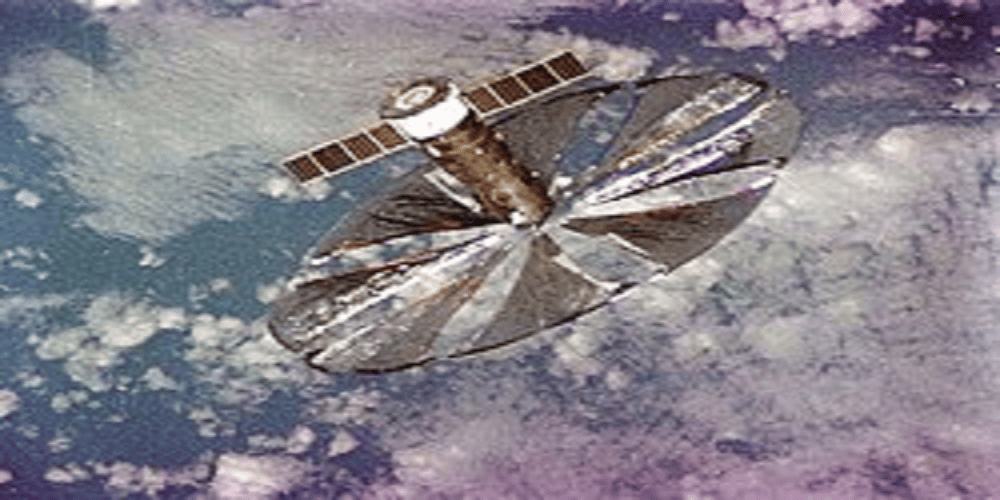
In the 1990s, Russia launched an experimental project known as the Znamya program. The mission tested a large reflective sail in space that redirected sunlight to Earth. Although the project faced technical challenges, it demonstrated that the basic idea of space mirrors was possible.
Since then, scientists have continued studying various applications of space mirrors. Modern technology has made it easier to manufacture lightweight materials and deploy large structures in space, renewing interest in these futuristic devices.
How Do Space Mirrors Work?
The operation of space mirrors is relatively simple in theory. A large reflective surface is placed in orbit around Earth or another celestial body. The mirror is carefully positioned so that it reflects sunlight toward a chosen destination.
The amount of sunlight reflected depends on several factors, including:
- The size of the mirror
- The angle of reflection
- The distance from the target
- The intensity of sunlight
Advanced computer systems and satellite guidance technologies would help control the mirror's position. Small adjustments could direct sunlight to different areas when needed.
Some proposed space mirrors would use thin reflective films, similar to solar sails. These materials are extremely lightweight and can be folded during launch and expanded once in space.
Why Are Scientists Interested in Space Mirrors?
Scientists are fascinated by space mirrors because they offer solutions to several global problems.
Climate Change Management
One of the most discussed applications of space mirrors involves climate engineering. Some researchers believe large mirrors could reflect a portion of sunlight away from Earth, reducing global temperatures.
This approach could potentially slow down global warming and reduce the impact of climate change. However, experts caution that such projects would require careful planning because altering Earth's climate system could have unintended consequences.
Providing Sunlight to Dark Regions
Certain regions experience long periods of darkness during winter. Space mirrors could redirect sunlight to these areas, improving living conditions and reducing energy consumption.
Additional sunlight could benefit agriculture, transportation, and mental health in regions that experience extreme seasonal darkness.
Supporting Agriculture
Farmers depend heavily on sunlight. Space mirrors could extend daylight hours and increase crop productivity in some areas.
By carefully directing additional sunlight, agricultural production could improve without requiring additional land or resources.
Renewable Energy Production
Another exciting application of space mirrors is energy generation. By reflecting sunlight toward solar power stations, these mirrors could significantly increase electricity production.
This approach could help countries meet growing energy demands while reducing dependence on fossil fuels.
Space Mirrors and Planetary Colonization
As humanity prepares for missions to the Moon and Mars, space mirrors may play an important role in future settlements.
Mars receives less sunlight than Earth. Large space mirrors could redirect additional sunlight toward Martian colonies, making them warmer and more suitable for agriculture.
Scientists have even suggested using space mirrors to assist in terraforming Mars over extremely long periods. Increased sunlight could potentially melt ice deposits and gradually change environmental conditions.
Future lunar bases could also benefit from space mirrors by receiving continuous sunlight for power generation and scientific research.
Types of Space Mirrors
Different designs have been proposed for space mirrors.
Orbital Reflective Mirrors
These mirrors would orbit Earth and redirect sunlight toward specific locations.
Solar Shade Mirrors
Instead of increasing sunlight, these mirrors would reduce the amount of sunlight reaching Earth to combat global warming.
Deep Space Mirrors
These mirrors would support spacecraft, space stations, and future colonies on other planets.
Energy Collection Mirrors
Some designs focus on increasing the efficiency of solar power systems by concentrating sunlight onto solar panels.
Each type of space mirror serves a unique purpose and could contribute to future space exploration and environmental management.
Advantages of Space Mirrors
The potential benefits of space mirrors are enormous.
Increased Renewable Energy
Additional sunlight could dramatically improve solar power production and reduce dependence on non-renewable energy sources.
Climate Control
Space mirrors could become part of future strategies to address global warming and climate change.
Improved Agricultural Productivity
Additional sunlight may increase crop yields and support food security.
Assistance for Space Colonies
Future settlements on the Moon and Mars could rely on space mirrors for warmth and energy.
Scientific Research
These structures could help scientists study Earth's climate and solar radiation more effectively.
Challenges Facing Space Mirrors
Despite their promise, space mirrors also face major challenges.
High Costs
Building and launching giant mirrors into space would require enormous financial investments.
Technical Difficulties
Deploying extremely large structures in orbit is complicated and risky.
Space Debris
Space mirrors could be damaged by existing debris and micrometeorites.
Environmental Concerns
Changing the amount of sunlight reaching Earth could affect weather patterns and ecosystems.
International Regulations
The use of space mirrors would require global cooperation and legal agreements because their effects could impact many countries.
Can Space Mirrors Fight Global Warming?
This is one of the biggest questions surrounding space mirrors.
Some scientists suggest placing giant reflective shields between Earth and the Sun to block a small percentage of solar radiation. Even a tiny reduction in sunlight could potentially lower global temperatures.
However, critics argue that climate systems are extremely complex. Artificially changing solar radiation could create unexpected consequences, including changes in rainfall patterns and ocean temperatures.
Therefore, while space mirrors may become part of future climate strategies, they are unlikely to replace efforts to reduce greenhouse gas emissions.
Space Mirrors and Solar Power
Solar energy is becoming increasingly important worldwide. One challenge, however, is that solar panels only produce electricity during daylight hours.
Space mirrors could solve this problem by extending daylight or concentrating sunlight onto solar farms. This could dramatically improve energy production and reduce electricity shortages.
Some experts believe that combining solar power with space mirrors could revolutionize renewable energy systems.
Future Space Mirror Projects
Several organizations and researchers continue studying the potential of space mirrors.
Private space companies are developing technologies that could make giant orbital structures more affordable. Advances in lightweight materials, robotics, and reusable rockets are reducing the cost of space missions.
Although no large-scale space mirror currently exists, many experts believe the technology could become practical within the next few decades.
Future projects may begin with small experimental mirrors before expanding into larger systems capable of providing significant benefits.
The Role of Artificial Intelligence in Space Mirrors
Artificial intelligence could become essential for managing space mirrors.
AI systems could:
- Control mirror orientation
- Predict weather impacts
- Avoid collisions with space debris
- Optimize sunlight distribution
- Monitor system performance
Without advanced automation, managing large space mirror systems would be extremely difficult.
Could Space Mirrors Change Human Civilization?
The development of space mirrors could transform how humanity uses sunlight and energy.
These mirrors could provide solutions for energy shortages, climate challenges, and future space exploration. They may even help humans establish permanent settlements beyond Earth.
However, this technology also raises important ethical and environmental questions. International cooperation and scientific research will be necessary before large-scale deployment becomes possible.
The future of space mirrors remains uncertain, but their potential is undeniable. As technology advances, these giant reflective structures may become one of humanity's most ambitious engineering achievements.
Conclusion
The concept of space mirrors represents one of the most fascinating ideas in modern science and space engineering. From increasing solar power production to supporting future colonies on Mars, the possibilities are remarkable.
Although many technical and environmental challenges remain, ongoing research continues to bring this vision closer to reality. Whether used for climate management, renewable energy, or space exploration, space mirrors could significantly influence the future of human civilization.
The coming decades may determine whether this futuristic technology remains a scientific concept or becomes a practical tool that changes life on Earth and beyond.
FAQs
What are space mirrors?
Space mirrors are large reflective structures placed in space to redirect sunlight toward specific locations on Earth or other planets.
How do space mirrors work?
They use reflective surfaces to bounce sunlight toward targeted areas using carefully controlled positioning systems.
Can space mirrors stop global warming?
Space mirrors may help reduce global temperatures by reflecting some sunlight away from Earth, but they are not a complete solution to climate change.
Could space mirrors provide renewable energy?
Yes. They can increase sunlight reaching solar power stations and improve electricity production.
Are space mirrors already being used?
No large-scale space mirrors currently exist, but experimental projects and scientific studies continue.
Could space mirrors help colonize Mars?
Yes. They could provide additional sunlight and warmth to future Martian settlements.
What are the main challenges of space mirrors?
High costs, technical difficulties, environmental concerns, and international regulations are the biggest challenges.
When could space mirrors become reality?
Many experts believe practical space mirror projects could emerge within the next few decades as space technology advances.
Leave A Comment
0 Comment